
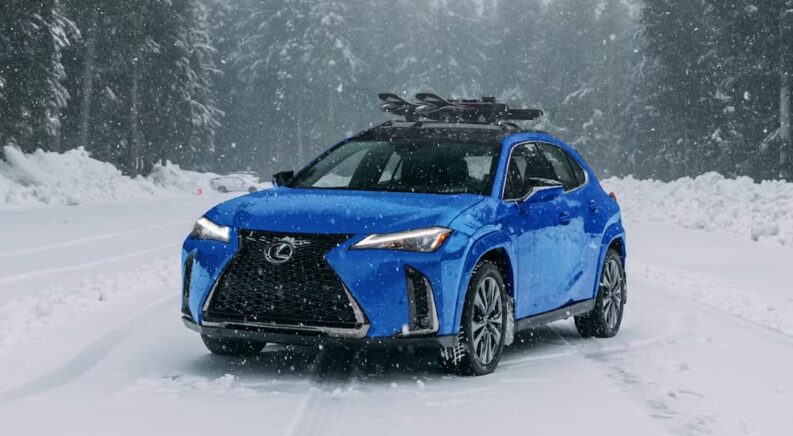
Speaking as a fourth-generation Vermonter and current New Hampshire resident, one of the biggest vehicle issues people face in cold climates is a windshield covered in ice and snow. Icy windshields are more than just a nuisance. A 2025 study by UK companies DirectLine Group and Green Flag found that 9% of drivers have been involved in at least one car accident caused by ice, which limits visibility. Yet despite this obvious danger, 45% of drivers don’t fully de-ice their windshields before driving, usually because they’re in a hurry or underestimate the risk.
Like many longtime vehicle problems, though, modern technology has a solution. Some companies now offer “heated windshields” that promise to make removing ice and snow easier. Such technology has lots of potential for people like me, so I decided to investigate heated windshields and see how they work, what automakers currently offer them, the benefits, and other things you should know before deciding whether to get a vehicle with this feature.
What Is a Heated Windshield?
Traditionally, the rate at which a windshield thaws is limited by the dashboard vents and ambient air temperature. A heated windshield speeds up the process with a built-in electric heating element. When activated, this element raises the temperature of the windshield surface, melting ice and snow while evaporating fog. They’re also known as windshield defrosters or defoggers, which are relatively common for rear windows — my 2017 Hyundai Sonata has one — but are now making their way to the front glass.
There are two primary methods for heating a windshield. One is to embed thin-filament wires in the glass, which can run in straight lines or follow a wavy path. The other is to add a special clear film between the layers, which uses silver, zinc, or another material as an electrical conductor. Some vehicles have heated windshields that activate automatically, while others require manual activation.
Examples of Heated Windshield Technology
Many companies have developed proprietary technologies for creating heated windshields. Here are some of the notable options to give an idea of the possibilities.
- Ford Quickclear: One of the oldest heated-windshield technologies, Quickclear was first used in 1969 on Rolls-Royce models. Mainly using filament wires, Quickclear is available on most modern Ford vehicles, including the F-150 and Mustang Mach-E.
- VW Climate Windshield: Introduced in 2017 for the European market, these windshields combine heating methods, using 400 to 500-watt conductive silver layers for the main windscreen and filaments for the wiper park area. The technology has since been brought to U.S. shores on the VW ID.4 and Tiguan.
- General Motors: GM filed a patent application in 2023 for its own electrically heated windshield. It would involve a conductive coating with a special pattern to increase current density, clearing important areas faster.
- BetterFrost: This technology, developed for EVs, uses specialized algorithms to control electrical pulses, so heat reaches only the layer where it’s needed. Doing so requires less energy, leaving more to operate the vehicle.
- Kia/Hyundai MetalCoating: Along with a PVB film and about 20 metal layers between the outer and inner glass, this system uses 48V power rather than the conventional 13.5V. It’s been shown to completely remove frost from windshields in five minutes at an ambient temperature of zero degrees Fahrenheit (-18 degrees Celsius).

What Cars Are Available with Heated Windshields?
An increasing number of manufacturers now offer heated windshields as a standard feature or an upgrade on at least some of their vehicles. Beyond the nameplates mentioned in the previous section, here’s a partial list of vehicles currently available with a heated windshield. You’ll note that the technology is still largely limited to premium and luxury brands.
- Porsche Cayenne and Macan
- Volvo S60, XC60, and XC70
- Lexus UX 250h
- Jaguar E-Pace, F-Pace, and I-Pace
- Mercedes-Benz G-Class
- Land Rover Range Rover, Defender, and Discovery
- Rolls-Royce Ghost and Phantom
- Kia Sportage
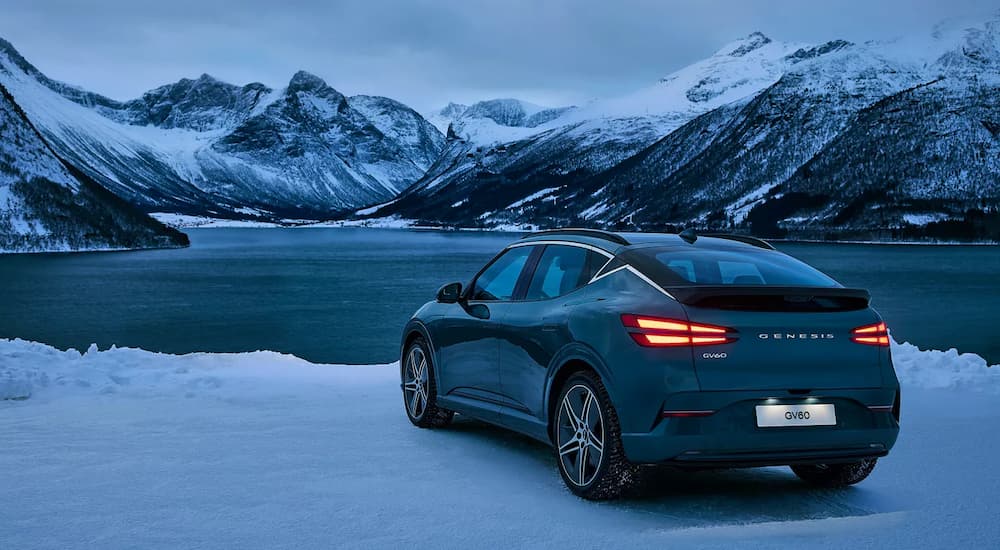
- Genesis GV60
- Bentley Continental GT and Flying Spur
Additionally, some automakers don’t offer full heated windshields, but do incorporate a heated wiper park area, which prevents the windshield wipers from sticking to the windshield when not in use.
Pros and Cons of Heated Windshields
Now that you know some of the nuts and bolts about heated windshields, here’s a rundown of the advantages and drawbacks. Although many of the benefits are apparent, there are some hidden things to watch out for.
Pros:
- Traditional vent-based heating systems don’t start defrosting the windshield until the engine is sufficiently hot, and they are quite inefficient. A heated windshield starts working the moment it’s turned on, reducing the time you need to wait before safely driving.
- Drivers don’t have to spend as much time scraping off the glass, reducing cold exposure and the risk of accidentally scratching or chipping the vehicle’s paint.
- The “conductive silver layer” method of windshield heating doubles as a solar screen, reflecting infrared rays to help reduce interior heat during summer months without the need for tint film.
- By focusing heat entirely on the windshield, occupants’ hands and faces have less exposure to the HVAC system, reducing skin dryness. Heated windshields are also quieter than heat vents.
Cons:
- Windshield heating technologies, particularly filament wires, can wear out or break. Because the wires and/or films are within the windshield, the only way to fix them is often to replace the entire windshield, and an expert will need to reconnect them to the electrical system.
- A chip or small crack can also damage the heating element, necessitating a full windshield replacement for what otherwise would be a quick and inexpensive repair.
- Heating systems are known to interfere with highway toll reading tags if you don’t mount the tags in the correct spot, leading to unexpected bills and late fees.
- Cars with heated windshields cost more than those with ordinary glass, even after accounting for the “luxury” status.
Tips for Using a Heated Windshield
If you’ve decided a heated windshield is worth the investment, knowing the best way to operate it will get the most from this system. First, determine whether the heating element is automatic or manual, and figure out where the controls are. If it’s a manual system, turn the windshield heat on immediately after starting the car. Keep the windshield clean and debris-free, especially near the wiper, as dirt and leaves can hamper the heating element’s effectiveness.
Don’t use the windshield heater when the engine is off, as this can quickly drain the battery. Also, don’t continue running the system after the windshield is clear to avoid taxing the electrical system. Many de-icers automatically shut off after a predetermined time for this reason. Finally, keep an eye out for damage to the heating elements or any other signs that the system isn’t working properly.
Stay Safe in Cold Weather
A heated windshield can be an excellent tool for improving driving visibility and reducing downtime while waiting for the screen to clear. Although availability remains somewhat limited, the technology continues to spread, as evidenced by recent developments from GM and Hyundai/Kia. I think it’s only a matter of time before heated windshields trickle down to more everyday vehicles, just as other tech like wireless screen mirroring and adaptive cruise control.
Keep in mind, though, that a heated windshield is just one aspect of seeing the road. Be sure to clear ice from other areas, such as the side windows, headlights, sensors, and cameras, so they function normally. Top off your washer fluid reservoir regularly, as a de-icer won’t do anything about dirt buildup. Even if you have a heated windshield, always keep an ice scraper in the vehicle, just in case.