
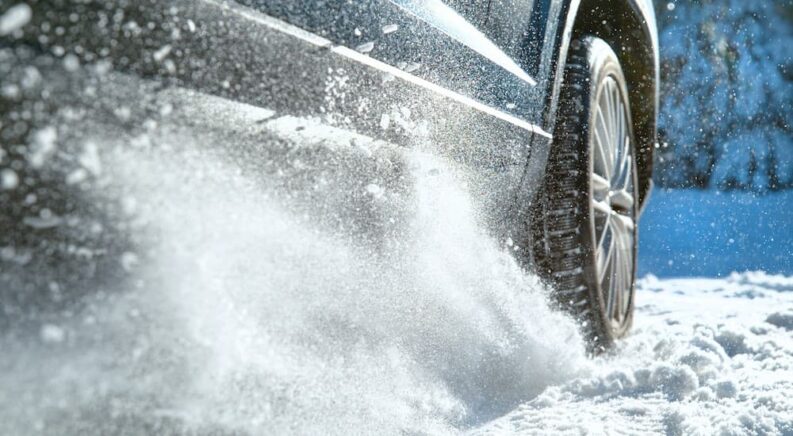
The winter snow will be here before you know it, if it hasn’t already arrived. As someone who’s lived in the Northeast all my life, I know something else comes with it: the potential to get stuck in the snow. Even with winter tires, AWD, careful driving practices, road maintenance, and every other precaution, the snow can still bite you. Considering nearly 70% of the U.S. population lives in areas that average at least five inches of snowfall a year, finding your vehicle beached in a driveway or snowbank is more likely than you think.
For these drivers, the question isn’t whether they’ll ever get stuck, but what to do when it happens. The first step is simple: don’t panic. The next step is to have the right snow escape tools in your winter emergency kit and know how to use them. Here are the best tools for removing a car from snow, along with the situations in which they should be used, based on personal experience and industry expert recommendations.
A Small Shovel
The most basic tools are sometimes still the best choice. By keeping a small shovel in your truck, you can remove the snow that your tires and wheels are slipping on. To give yourself more leverage and reduce fatigue, consider a shovel with a collapsible handle.
Start by digging the snow away from the tires and underbody. From there, clear a path as best you can towards the road. Check that the bumpers are clear of any snow, as this can push against the vehicle and hold it in place. Also, unblock the tailpipes so carbon monoxide doesn’t seep into the vehicle as you work.
Sand or Cat Litter
If snow removal alone isn’t sufficient, the next step is to increase traction, which means putting something on top of the slippery ice and snow. Sand is an excellent option, as the grains “roughen up” the driving surface, increasing friction and grip. Sprinkle some sand both behind and in front of the drive wheels, as it may be necessary to rock the vehicle back and forth to dislodge it. Those who don’t have access to sand can grab some fine gravel, fire ash, or even a bag of cat litter, which have similar effects.
Boards
A set of wood boards is another time-tested DIY method to provide traction. Tires can latch onto the solid planks and enable you to drive out of the snow. Best of all, unlike sand, boards are reusable. Look for boards that are one to two inches thick, three to four feet long, and about one foot wide. Adding nuts and bolts can further improve traction, as long as they don’t protrude through the tops of the boards enough to puncture the tires. If you don’t have wood boards available, cardboard and even surrounding tree branches will work in light snow, though you’ll have to be careful that spinning tires don’t send them flying.
Traction Mats
Essentially a more advanced version of wood boards, traction mats are popular in the off-road and military communities, and they also work well for passenger vehicles. They’re made of flexible waterproof materials with studs, grooves, and other inserts to improve grip. Since recovery tracks are impervious to water, they dry faster than boards and are less likely to break. If you don’t have traction mats available, you can try using your car’s floor mats, although they’ll need a thorough cleaning and drying once you’re done.
Onboard Vehicle Systems
Modern cars and SUVs have a lot of tools built into them that can help you escape from a snow trap. Systems like 4WD, AWD, and a locking or limited-slip differential seem like obvious traction-boosters. However, I’ve seen people so distraught and worried after they get stuck that they forget to check if those systems are on. Make sure they’re activated to increase traction and reduce wheel spin.
Even if your vehicle doesn’t have AWD or these other systems, there are things you can do to help you break free. First, put the transmission in second or third gear. This gives you some torque, but not so much that the wheels spin excessively as they might in first gear. Second, turn off the traction control system (TCS). Since the TCS cuts power to the drive wheels when it senses wheel spin, it helps prevent you from spinning or sliding. However, wheel spin might be just what you need to drive out of a sticky situation, so turning it off in this case can help you get unstuck.
Tow Straps
Sometimes, you’re so far into the snow that even the highest-quality shovels and traction mats can’t extract you. In these situations, you’ll want a set of tow straps or recovery straps. The catch is that you’ll need a second vehicle to pull you out, whether it’s a family member, friend, or good Samaritan. By carrying tow straps yourself, though, you give yourself more options if someone stops to help.
To perform this recovery method, attach one end of each strap to the tow hooks on your car, first clearing away all snow. If there aren’t any tow hooks, find the strongest possible structural point such as the frame, suspension arms, or trailer hitch. Then connect the other end to the second vehicle. Put your vehicle in neutral, then have the second driver pull slowly. Effective communication between drivers is crucial, whether it is verbal or non-verbal, such as through hand signals.
Tools and Methods to Avoid
There are a few other tools and techniques people often try to remove their cars from snow. Although some outlets recommend them, I would avoid these methods:
- Rock salt and snow-melting chemicals: Melting away the traction-robbing snow sounds good in theory, but there are two big drawbacks. Unless it’s a light snow, the melting can take a long time. Additionally, the materials carry a high risk of causing future vehicle rust and corrosion, as well as harming the environment.
- Tire deflators: The theory is that letting some air out of the tires will increase the contact patch for more traction. This may work well in off-road situations, but the small boost it might provide in snow isn’t enough to outweigh the dangers of subsequently driving on underinflated tires. Only do this if you also have a tire inflator, or if there is a nearby gas station.
- Ropes: People without specially made tow straps might try a regular rope instead, but this is unwise. Ordinary rope isn’t as strong and won’t form as secure a knot, making breakage or detachment more likely under load, which can potentially damage both vehicles.
Stay Out of the Snow This Winter
The most foolproof method to get your car unstuck from the snow is not to get stuck in the first place. However, over 20 years of Northeast driving have taught me that you can’t always avoid driving during snow and immediately after it. Sometimes an unexpected snow shower will hit, and you need to get to the office or do errands before road crews can clear everything.
If you live, work, or frequently drive in areas that regularly receive snow, you should prepare for the worst. Although you can call roadside assistance or a towing company, it will likely take them some time to arrive. If you’re stuck, others likely are, too. Keep at least one of these recovery tools in your vehicle, and preferably two or three, so you have options for different situations. Doing so will make an excursion into the snow a quick delay you can laugh about rather than something that throws your whole winter off-kilter.