
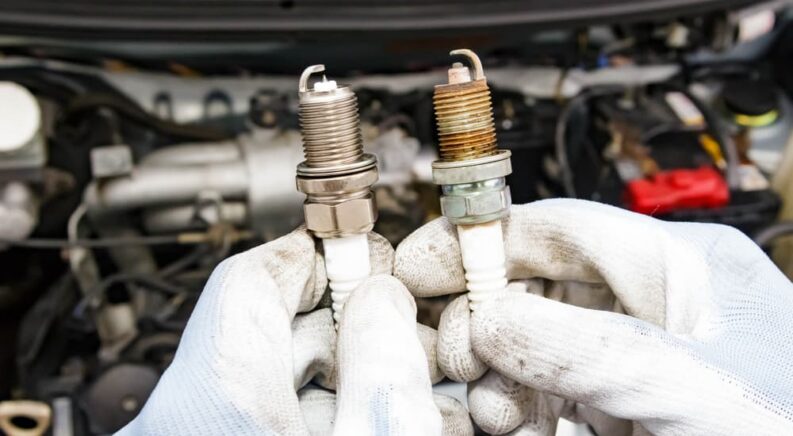
Every gasoline engine relies on one small, but critical component: the spark plug. It’s often overlooked because it’s generally inexpensive, hidden under a coil pack or wire, and usually lasts tens of thousands of miles. However, when a spark plug starts to give up the ghost, the effects can ripple through the entire engine.
Engines need four basic things to operate: air, fuel, compression, and fire. If a spark plug becomes weak, inconsistent, or stops firing at all, the engine will quickly let you know something is wrong. Recognizing the signs of a faulty spark plug can be incredibly useful for anyone who likes to understand how their vehicle works or tackle their own maintenance. Catching and resolving issues early can prevent more serious problems down the road, such as catalytic converter damage, poor fuel economy, or even engine failure in extreme cases. Let’s look at the most common signs and effects of bad plugs, along with why they happen.
A Spark Plug’s Job
Before jumping into symptoms, it helps to understand a spark plug’s responsibilities. Inside each cylinder of a traditional gasoline engine, the piston compresses a mixture of air and fuel. At exactly the right moment, the spark plug fires a high-voltage spark across a tiny gap between two electrodes. The spark ignites the compressed mixture, creating the controlled explosion that pushes the piston down and produces power. This process happens thousands of times per minute while the engine is running.
Because of that constant heat and electrical stress, spark plugs wear out over time. Electrodes erode, deposits build up, and the spark gap slowly increases. Eventually, the spark becomes inconsistent or disappears altogether. When that happens, noticeable symptoms begin to appear.
Misfires
One of the most common signs of a faulty plug is an engine misfire, which happens when the air/fuel mixture in a cylinder doesn’t ignite properly. Instead of producing power, that cylinder essentially skips a beat. When multiple misfires occur back-to-back, the engine may feel like it’s stumbling or shaking.
From the driver’s seat, misfires usually show up as a sudden jerk or hesitation on acceleration, rough running under a load, or a flashing or steady check engine light. Misfires caused by spark plugs occur when the spark is too weak to ignite the mixture. When fuel enters the cylinder but fails to burn, the engine loses power, and the combustion cycle becomes uneven. If left unresolved, misfires can send raw fuel into the exhaust system, resulting in overheated or damaged catalytic converters.
Rough Idle
Another early indicator is a rough or unstable idle. When the engine is idling, it’s running at a low RPM and relying on smooth, consistent combustion in every cylinder. A weak spark can easily disrupt that balance. Instead of a steady hum, the engine might feel like it’s shaking slightly, vibrating through the steering wheel or seat, or fluctuating the RPMs. Sometimes the idle may even sound uneven, almost like the engine is skipping every few seconds. Because spark plugs play such a direct role in combustion, even one weak plug can create a noticeable roughness when the engine isn’t under a load.
Hard Start or Extended Cranking
A failing spark plug can also make it harder for your engine to start. Starting an engine requires several events to occur at specific times, such as fuel delivery, compression, and ignition. If the spark is weak, delayed, or absent, the air/fuel mixture may not ignite easily when the engine first turns over. This can lead to longer crank times, multiple starting attempts, and occasional starting failures. Cold starts often make this issue more obvious because colder engines require a stronger spark to ignite the mixture. If the spark plugs are severely worn or fouled, the engine may crank normally but refuse to start.

Reduced Mileage
Bad spark plugs can also quietly hurt your fuel economy. When combustion becomes inconsistent, the engine control system generally compensates by injecting more fuel or adjusting ignition timing, often resulting in increased fuel consumption. This could show up as more frequent trips to the gas station, lower MPG readings on your dashboard, or a gradual decline in efficiency over time. Sometimes the change is subtle, which is why worn plugs can go unnoticed for thousands of miles. Replacing them during routine maintenance often restores lost efficiency almost immediately.
Loss of Power
Spark plugs that aren’t firing properly can also rob your engine of power. During acceleration, engines are reliant on strong, consistent ignition to maximize the energy released from each combustion cycle. If a spark plug is weak or inconsistent, that cylinder contributes less power than it should. From the driver’s perspective, the vehicle may feel slower to respond to throttle input, sluggish when merging or climbing hills, or hesitant under a heavy load. This effect becomes more noticeable in smaller engines, where every cylinder plays a bigger role in overall output.
Pre-Ignition
In some cases, worn or incorrectly gapped plugs can contribute to engine knock or pre-ignition. Normally, the spark ignites the air-fuel mixture at a very specific moment in the combustion cycle. If ignition timing becomes inconsistent due to worn plugs or excessive deposits, the mixture can ignite unevenly. This can cause “pinging” or knocking sounds from the engine, reduced performance under load, or increased engine temperatures. Engine knock isn’t always caused by bad plugs, of course. Fuel quality, timing issues, and carbon buildup can also play a role. Faulty plugs, however, can certainly be at fault.
Check Engine Light
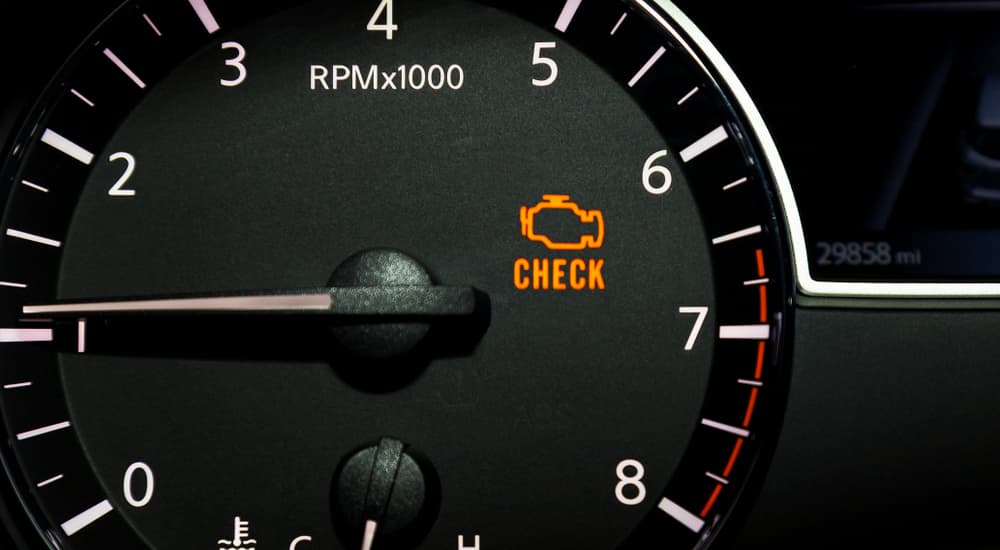
Modern vehicles use a plethora of sensors and onboard diagnostic tools to monitor engine performance. If misfires occur often enough, the ECM will usually store a diagnostic trouble code and illuminate the check engine light. Common codes related to spark plug issues might include cylinder misfire codes, ignition system faults, or combustion irregularities detected by oxygen sensors. While the CEL doesn’t always mean the spark plugs are the culprit, they’re often one of the first components I check when I’m handed a misfire.
Visible Damage or Deposits
Sometimes, the most obvious evidence of a failing plug can be seen during a visual inspection. Anytime I remove a spark plug, I take a second to examine the condition. The tip of the plug can reveal a lot about what’s going on inside the combustion chamber. The most common signs include:
- Carbon Fouling: Plugs are black and sooty due to rich fuel mixtures or incomplete combustion.
- Oil Fouling: Plugs are wet and oily. This may indicate worn piston rings or valve seals.
- Worn Electrodes: Plug tips become rounded or eroded, increasing the spark gap and weakening ignition.
- Ash Deposits: Plugs show a light-colored buildup that can be a sign of oil consumption.
These visual cues can help make us aware of problems much deeper than spark plug wear. This gives us a significant advantage in catching much larger issues early.
Causes for Failure
Spark plugs fail for many reasons. Most of them are related to normal wear and tear or operating conditions. Some of the most common causes are electrode erosion from repeated sparks, excessive heat in the combustion chamber, oil or fuel deposits fouling the plug, improper plug gap, or incorrect heat range. Modern spark plugs, especially platinum and iridium designs, can last 60,000 to 100,000 miles under normal operation. However, high-performance engines or harsh driving conditions can shorten that lifespan.
Because spark plugs are relatively inexpensive, they’re one of the easiest maintenance items to overlook. However, ignoring them can lead to much bigger problems down the road. Persistent misfires can cause damage to the catalytic converter, engine vibration, increased emissions, and even reduced engine life. In some extreme cases, prolonged misfires can damage pistons or valves due to uneven combustion temperatures. Replacing worn plugs on schedule is one of the simplest ways to keep an engine running efficiently.
The Bottom Line
Spark plugs may be small, but they play a critical part in how well an engine runs. When they begin to fail, the effects show up quickly. Misfires, rough idle, poor fuel economy, sluggish acceleration, and hard starting are all common signs. Spark plugs are one of those small maintenance items where paying attention to small symptoms can save a lot of trouble later. If an engine starts running rough or loses efficiency without an obvious cause, spark plugs are always high on my list of things to check. The good news is that they are relatively easy to inspect and replace in most platforms. Learning to recognize the signs of failing spark plugs is a simple but valuable skill that can help you keep your engine running smoothly for many miles to come.