
Even with a slight drop in recent weeks, fuel prices are still astronomical, with the national average hovering around $4 per gallon for regular and $5 per gallon for diesel. Whether you drive a full-size truck or a compact hybrid, miles per gallon is a big deal. Using the national average of 13,476 miles driven annually and a $ 4-per-gallon cost, going from 30 to 35 MPG can save you over $250 a year.
But what if you’ve noticed that, seemingly out of the blue, your fuel mileage has suddenly plunged, not enough to be natural variance, but consistently several MPG? That’s not something to ignore. Beyond being a hit to your wallet, it could indicate underlying issues that should be addressed before a larger system failure or safety hazard occurs.
What should you do when fuel mileage falls? The first thing is to figure out why. There are many potential causes of worsening fuel economy, but the good news is that many of them are easy for you or a mechanic to check with minimal time and money investment. Doing so can save you a lot of each later on.
Eight Things to Check for Poor Fuel Mileage
When determining the cause of a decline in fuel economy, it helps to know where to start. Follow this checklist, and there’s a good chance you’ll eventually find the culprit.
Tire Pressure
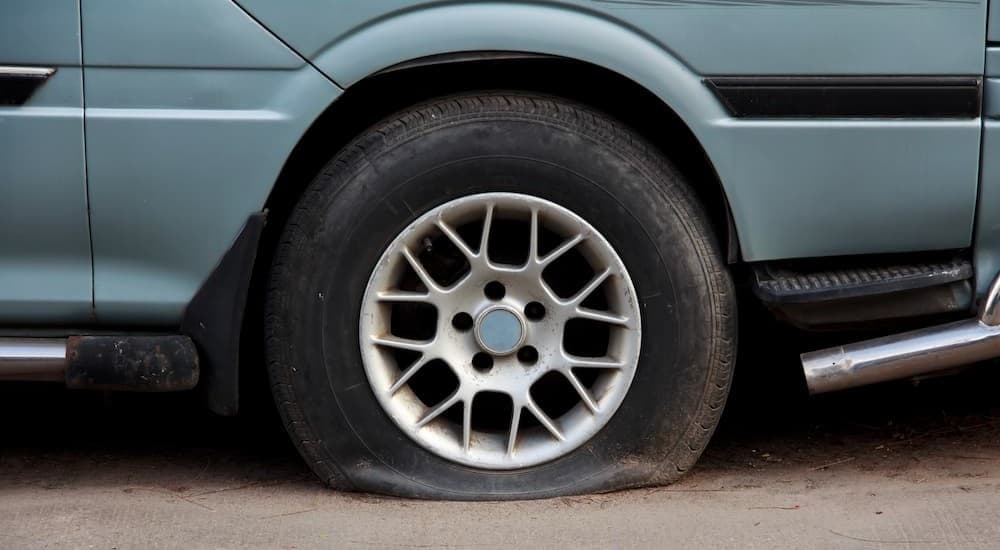
This is the easiest yet one of the most overlooked explanations for a drop in fuel mileage. According to the U.S. Department of Energy, every 1 PSI (pounds per square inch) that a tire is under-inflated reduces fuel mileage by 0.2% because of higher rolling resistance. Plus, low tire pressures also degrade handling and increase tread wear.
Check your tire pressures regularly to make sure they’re inflated to the manufacturer’s recommended PSI, with a couple of extra PSI if you regularly carry heavy loads. Try not to overinflate the tires, though. This can boost fuel mileage, but causes the same handling and wear issues as underinflated tires.
Wheel Alignment
Even if your tires are properly filled, the wheels could be at fault. The alignment can shift over time as suspension parts wear out or you hit bumps. Like under-inflated tires, this also increases rolling resistance, making your engine burn more fuel to travel the same speed. Misalignment also increases tire wear and can cause the vehicle to feel off-center.
You should get your alignment checked every couple of years, and more often if you regularly drive on rough roads. If you notice excess wear on the edges of the tires or you feel the vehicle pulling to one side, get it aligned pronto. You may save your tires, and your fuel mileage may get a bump in the process.
Fuel and Air Filters
The next things you should look at are your filters. If they are excessively dirty or clogged, fuel mileage will be negatively affected. A clogged fuel filter will prevent fuel from getting to the injector, forcing the system to work harder. The mileage impact of a dirty engine filter is less noticeable in modern fuel-injected cars but significant in older carbureted engines.
Make sure you’re following the manufacturer’s recommended schedule for filter replacements. Additional symptoms of a clogged filter are similar for both the engine and fuel system, including hard starts, sluggish acceleration, rough idling, and even stalling. If you notice any of these ailments, change one or both filters immediately.
Fuel Injectors
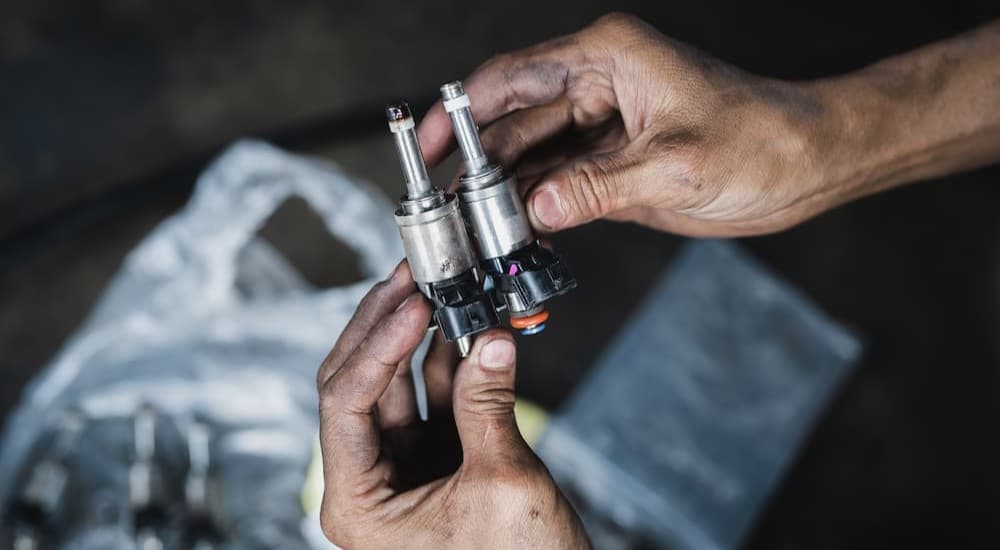
A dirty fuel injector could restrict your gas mileage. Injectors get dirty from carbon buildup, engine contaminants, or using lower-quality fuel. Adding a bottle of fuel injector cleaner at your next gas fill-up will help flush the system and potentially solve the problem. Other symptoms of a dirty injector include misfiring and engine choking.
Some manufacturers recommend using fuel injector cleaner regularly. Others say to do it sporadically or as needed. Either way, most fuel system cleaners cost $10 or less, making it a low-risk, high-reward option.
Motor Oil
Problems with motor oil can also impact fuel economy. Using a higher-viscosity oil will reduce mileage and make it harder for the engine to start in cold weather. Also, if you go too long between changes or use low-quality oil, sludge can build up in the engine, reducing mileage due to the resulting strain.
Always use the manufacturer’s recommended oil viscosity and change it at the recommended intervals, or more frequently if you drive in extreme conditions. Note that some automakers list multiple viscosities. For example, 5W-20 and 5W-30 are both acceptable in my Hyundai Sonata. However, the lower viscosity, in my case 5W-20, will always deliver better fuel economy.
Brake Calipers
Believe it or not, a fuel mileage plunge might be traced to the brakes. The brake calipers are a key component in modern disc brake systems, but they occasionally stick or seize. When that happens, the brake pad drags against the rotor. The increased resistance reduces fuel economy. It also leads to steering pull, longer stopping distances, a burning smell, and other issues.
If you notice any of those symptoms along with the decline in fuel mileage, bring your vehicle to a mechanic for a brake inspection. Anything from a simple component cleaning to a full caliper replacement may be necessary, depending on what’s making the caliper stick.
Driving Habits
Of course, once in a while, drivers must take a look in the mirror. It might be your driving practices that are destroying your fuel economy. Aggressive acceleration and braking, driving at excessively high or inconsistent speeds, carrying excessive cargo, and other poor techniques can hurt gas mileage by up to 40%. Plus, this puts more wear on the rest of your vehicle.
Driving slower and more consistently, maintaining a good following distance, coasting into stops, accelerating gently, and avoiding heavy loads whenever possible are five ways to improve gas mileage. Speed is the biggie, as Consumer Reports testing found that every 10 mph above 55 mph reduced fuel economy by 6 to 8 MPG.
Weather
A dip in fuel mileage might not be due to the car or you. The weather significantly affects how a car runs. For example, for every 10-degree drop in temperature, your tire pressure drops by 1-2 PSI, and vice versa as the temperature rises. Very hot and cold temperatures can also put more strain on the engine and cause oil to not flow as freely.
Nevertheless, there are a few adjustments you can make. Along with checking tire pressure, be more aware of the conditions you drive in, and try to avoid excess idling. Running your car for five minutes to warm up or cool down the cabin is more comfortable, but gets 0 MPG.
Solving Your Fuel Mileage Problems
In the end, good vehicle maintenance and driving choices are the best way to maximize fuel economy. Problems can still crop up, though, which is why it’s important to notice and act on any changes in mileage. This will save you a lot of money in the long run, both from lower fuel costs and by avoiding more expensive repairs than necessary.
Granted, it’s possible your fuel economy is still lower than normal after completing this checklist. In that case, schedule an appointment with a professional mechanic. There are other potential explanations for poor mileage, including worn-out spark plugs, dirty or faulty sensors, and damaged piston rings. A technician can diagnose the root cause and tell you how to proceed.