

When it comes to healthy driving and maintenance habits, many drivers are working with outdated advice. While inherited knowledge can be useful, it often fails to keep pace with advances in automotive technology, leading to wasted time, effort, and even compromised safety behind the wheel. Take the old adage about changing your oil every 3,000 miles, shifting into neutral when stopped at a light, or the idea that premium gas gives every car more power. These bits of automotive folklore aren’t very relevant in this day and age, but one fact has stood the test of time: taking frequent short trips can do a real number on your vehicle.
This largely comes down to temperature. A modern engine operates best within a relatively narrow temperature range, typically 195 to 220°F. During shorter trips, especially those taken in cold weather, the engine often fails to reach this peak performance window, which can lead to real issues with performance, efficiency, and long-term reliability. The dog days of summer provide the perfect excuse for taking a closer look at the surprising impact of short trips. Read on as we define what qualifies as a “short trip,” explore the downsides of abbreviated journeys, and learn how drivers can better protect their automotive investment.
What’s a Short Trip?
Before we discuss the drawbacks of short trips, we should define the term. While “short-distance driving” typically refers to journeys of 10 miles or less, several factors can affect the exact distance. The “10-mile rule” is a good guideline, but ultimately it’s ambient temperature, not the number of miles, that really determines how a trip might impact your vehicle’s long-term health.
Say it’s a warm summer day with the thermometer holding steady at around 90°F. In these conditions, important components and fluids like the engine, oil, coolant, transmission fluid, battery, and catalytic converter all reach their ideal operating temperatures much sooner. The engine won’t need to spend quite as much time running its initial fuel-rich warm-up cycle, condensation evaporates faster, and engine oil quickly reaches optimal viscosity.
It’s a whole different story on a cold day. When the temperature drops below freezing, your car, truck, or SUV will have much more trouble getting on the road. Vital fluids and components take much longer to warm up, which can significantly reduce your vehicle’s fuel economy and increase wear and tear. Ultimately, a three-mile trip on a 20°F day is going to be much harder on your car, truck, or SUV than an identical journey on a 70°F day.

The Impact of Short Trips
Short trips adversely impact your vehicle in different ways. Let’s look at the effects they have on each major component in turn.
Engine
The engine takes the brunt of the damage when you engage in frequent short trips. This is largely due to two distinct factors. First off, there’s the warm-up cycle. When you first start your vehicle on a cold day, it tends to run a little rich (use more fuel) to prevent stalling and protect the catalytic converter. This approach works well, but there are some real dangers associated with an overly rich air/fuel mixture. You’ll obviously sacrifice some fuel, but the potential for fuel-diluted oil and accelerated wear is the real cause for concern. From your cylinders and spark plugs to your pistons and valves, a rich fuel/air mixture can do a real number on your engine’s most important components.
Second, there’s the issue of oil viscosity. Modern motor oil is designed to start circulating almost as soon as the engine first turns over, but the colder it is, the thicker and less cooperative the oil becomes. This thick oil has a harder time flowing where it’s needed, which can lead to all sorts of downstream issues and even a hefty repair bill.
Battery
It takes a lot of power to get your engine to turn over, with the average starter motor requiring around 100 to 200 amps of electricity. The 12-volt battery found under your hood is typically up to the task, but things could get a little dicey if you’re only traveling a few miles at a time. On a normal drive, the alternator captures a bit of engine power and converts it into electricity to recharge the battery. Shorter trips don’t give the alternator enough time to recharge the battery, which can lead to weak starts, reduced battery life, and some frustrating mornings. This is particularly true on colder days, when the engine requires much more power to get going. While 100 to 200 amps is typically enough juice on a warmer day, your car might call for as much as 400 amps during the winter.
Exhaust System
Condensation is natural, but it can also wreak havoc on your exhaust system. Water vapor enters the exhaust, condenses into liquid water, and settles in your pipes, muffler, and other parts. This moisture is most evident when you first start your vehicle, and often results in steamy vapor exiting the tailpipe. Over a longer drive, this moisture will boil away as the exhaust system heats up. That’s not the case if you’re just running around the corner for a quick errand. Water and bare metal are a recipe for corrosion, which can easily rust out your pipes and muffler.
Catalytic Converter
This is one of the priciest components in any vehicle, regularly retailing for up to $2,500. In an ideal world, the catalytic converter would last the vehicle’s entire service life, but frequent short trips can change that.
A catalytic converter is designed to convert harmful exhaust gases into less toxic compounds by using precious metals to trigger chemical reactions. For this process to work efficiently, the catalytic converter needs to reach a specific temperature, typically between 400°F and 600°F. A short drive doesn’t give the catalytic converter enough time to warm up, which can lead to increased carbon deposits, emissions, and, in turn, reduced efficiency and outright failure.
EVs and Hybrids
While short trips usually have a huge impact on performance and longevity, it all depends on your preferred powertrain. Gas-powered models still represent the vast majority of vehicles, but hybrid and all-electric EV options are becoming increasingly popular as drivers look to reduce operating costs and embrace a greener ride.
How do hybrids and EVs handle short trips? We’ll start with hybrids, which fall somewhere in the middle in terms of impact. Since hybrid models are, by definition, powered at least partially by gas engines, they’re susceptible to the same cold-weather concerns as a typical vehicle. These hybrid powertrains still need a little time to reach their ideal operating temperature and are affected by moisture and fuel dilution. That said, a hybrid engine can also leverage its battery and electric motor to mitigate some of the larger impacts of a short trip. The electric motor can handle all of the propulsion duties at lower speeds or under lighter loads, allowing the engine a little extra time to warm up.
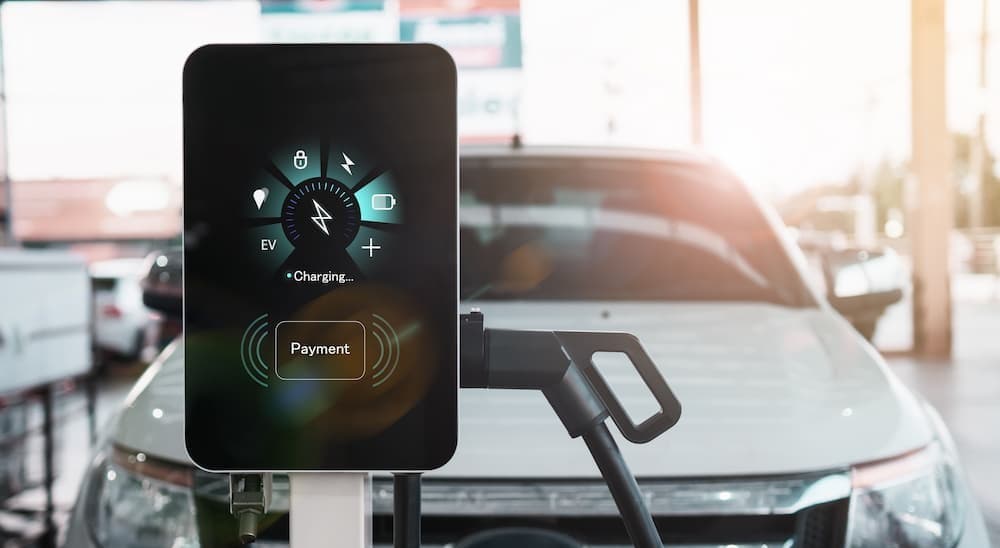
Then there are today’s all-electric models. By eschewing a traditional gas engine in place of a battery and electric motors, EV drivers don’t need to worry about oil contamination, moisture in the exhaust system, the warm-up cycle, or the potential impact on that pricey catalytic converter. Of course, there are some downsides to the all-electric approach. EV battery technology has come a long way over the decades, but even today’s most advanced batteries are still susceptible to the ravages of cold weather. Low temperatures both slow the electrochemical reaction in the battery and impede the movement of lithium ions and electrons, increasing internal resistance. The result is that most EVs experience a notable reduction in range when exposed to cold weather, often as much as 20 to 40 percent, and will require a longer charging period. Cranking up the climate control system can exacerbate the issue, especially when you’re trying to stay warm during a chilly winter commute.
How to Reduce Impact
Proper planning can go a long way, but short trips are often hard to avoid if you live in the city and don’t regularly commute to work. Luckily, there are a few simple tips drivers can follow to get the most out of their vehicle.
- Consolidate Trips: Batching your daily errands into one, longer journey is one of the easiest ways to improve long-term performance. Instead of making separate trips, try consolidating your grocery store runs, school drop-offs, and gym visits. This won’t just reduce wear and tear on your vehicles. It also lowers fuel costs and emissions.
- Mix In Longer Drives: If your typical day consists of multiple short rides, you might want to occasionally mix in a longer trip for good measure. Whether it’s a scenic drive or taking the long way home from work, these extended journeys can help to keep your battery in tip-top shape.
- Buy a Trickle Charger: If you’re not in the mood to take an aimless ride, there’s another easy way to maintain your battery’s health. Trickle chargers can help offset the impact of short trips and are really useful when a vehicle is stored for an extended period of time.
- Reduce Accessory Usage: From climate controls and infotainment systems to headlights and other electrically-powered accessories, your vehicle needs all the voltage it can get. On longer drives, the alternator would solve this issue by steadily recharging the battery as you roll down the road, but short trips can put undue strain on the electrical system. While activating the headlights is often a matter of safety, drivers can easily reduce their electrical usage by avoiding the AC, heated seats, rear window defroster, and other power-hungry accessories during short trips.
Long Story Short
While drivers tend to think of automotive maintenance in terms of oil changes, tire rotations, and brake service, the truth is that good driving habits can have just as much of an impact on your vehicle’s long-term performance and value. Frequent short trips are among the easiest ways to prematurely age your daily driver and increase emissions, as well as your weekly gas bill. Thankfully, there are a few simple strategies that are sure to prove useful for addressing the impact of short trips. These include batching errands together, maintaining good battery health, and treating your vehicle to a longer ride every now and then, especially if you live in a region that regularly experiences cold winter weather. Hybrid and EV models might not be quite as susceptible to the dangers of short drives, but that’s no excuse for falling into bad habits. Ultimately, a little planning can go a long way towards ensuring your vehicle remains reliable, efficient, and ready to offer years of consistent service.