
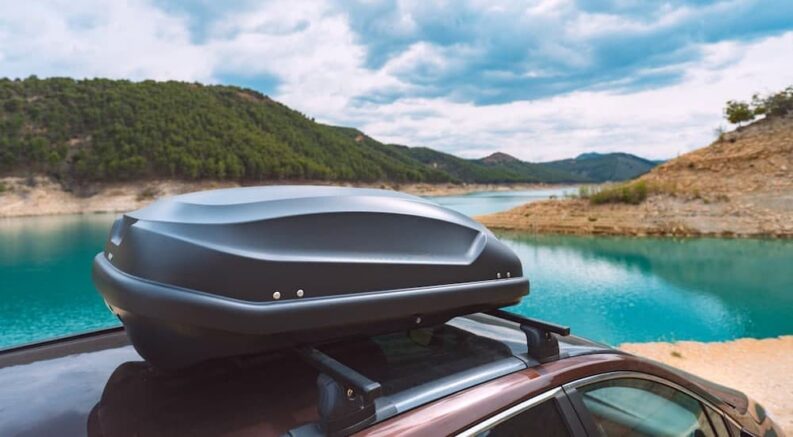
If you frequently travel and need an effective way to carry gear, a roof rack is a much-needed tool. Roof-mounted rack and rail systems give you more interior space, let you carry irregularly shaped items like bikes and kayaks, add aesthetic appeal, and can even be safer than a trailer or piling everything in the vehicle. Only a small percentage of new cars, primarily SUVs and vans, come with roof rails and rack equipment pre-installed. However, in many cases, you can add a roof rack to your vehicle, including a truck or a sedan. That said, plenty of questions are sure to arise when choosing and installing a roof rack. This guide examines the important things to know about adding a roof rack. I’ll look at options for finding a roof rack, the types of rack systems, and whether you should install the rack yourself or hire a professional.
Roof Rack Options
There are three basic pathways, each with its pluses and minuses. The right option depends not only on your needs but also on the vehicle you drive, its age, and more. The easiest way to get a roof rack on a new vehicle is to buy it as standard or optional equipment when you buy your car. Even if a roof rack isn’t a standard feature, there may be an add-on package. There are many benefits to this approach. You’re assured of getting a high-quality roof rack made from durable materials. The rack is guaranteed to fit the roof and match its weight capabilities. The roof rack will be installed at the factory or dealership and will be ready when you pick up the car. On the other hand, you can’t go this route with a car you already own. Options may also be limited compared to aftermarket racks.
If you’re trying to add a roof rack to an existing vehicle, first check if aftermarket racks are available through the manufacturer. Not only do official OEM partners like Mopar make roof rack systems, but automotive companies sometimes partner with independent roof rail brands to design approved components. This approach offers many of the same advantages and drawbacks as a manufacturer’s package. The major differences are that you may have a few more options since there’s been more time to develop rail systems, and it’s up to the customer to figure out installation once the parts arrive.
Many third-party brands offer roof rails and accessories, including Thule, Yakima, Rhino-Rack, Bamboli, Curt, and Flated. Even if a manufacturer or OEM package is available, there are reasons to consider these systems. They offer the most customization options for your roof rack, including design and functionality, and often cost less than OEM racks. However, you need to be more diligent about confirming fit with third-party systems. This includes measuring your roof and existing mounting points (if you have them). While some of these racks are made for specific vehicles, others have a “universal” design that’s less precise. You must also watch out for systems made of inferior materials that might break or rust.
Types of Roof Rail Systems
The next step is figuring out which roof rack is right for your vehicle. There are five main rail types for different vehicle roofs and situations. A full roof rack system typically consists of side rails and crossbars (also called crossrails), but not always. Be aware that certain designs might not be available for your vehicle.
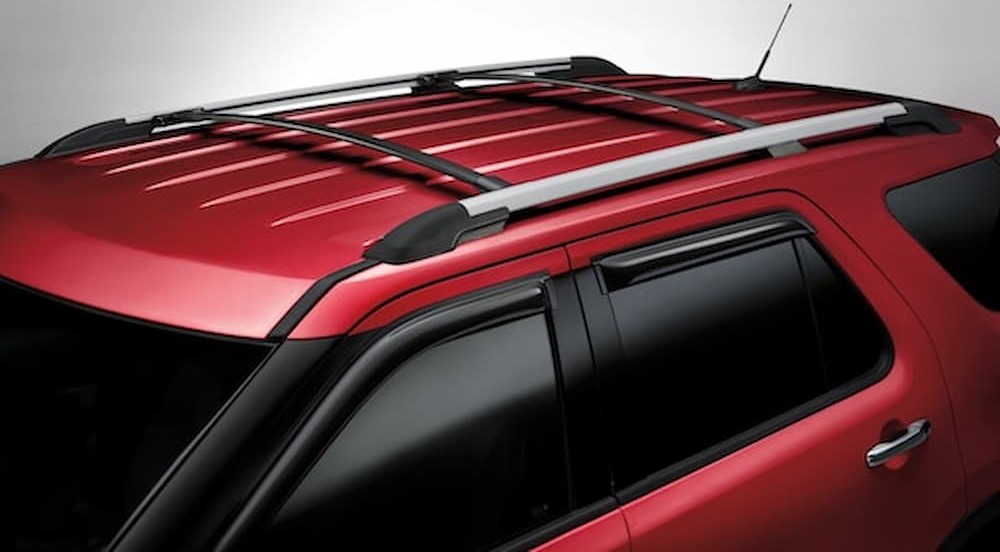
OEM roof rails tend to have a flush or raised design. Flush rails sit close to the roof with either no gap or a very small gap. These rails are more aerodynamic, improving fuel mileage and reducing wind noise. The rails also have a sleeker style that looks great when you’re not carrying items. The downside is that you’re limited in what you can clamp or tie to the rails.
Raised rails, also known as overhang bars, sit two to three inches above the roof. Raising the roof rails greatly increases functionality. It’s easier to install or switch crossbars, and you can attach bungee cords, straps, and other methods to more tightly secure cargo. If you want to avoid the added drag and noise, you’ll need to remove and store the rails when not in use.
If your vehicle has a “bare roof” with no built-in mounting points and you don’t want to drill holes, clip-on rails are the only practical system. The rails attach to either the roof or door frame using clamps, and they often have pads to protect the paint. Clip-on roof racks offer flexibility, but they aren’t as secure or strong as traditional racks, making them more of a last-ditch solution.
A few auto manufacturers, most notably Rivian, have ditched permanent side rails in favor of integrated crossbar mounting points. Plastic covers conceal and protect the mounts when the bars aren’t attached. A fixed system offers greater load capacity and the best aerodynamics, though you’ll be more limited in what components will fit and how you can arrange them.
Many vintage vehicles were built with “rain gutter” roofs or T-slot channels. You can still find them on some modern off-road vehicles and cargo vans. A set of channel rails offers high load capacity and easy use once installed. The drawbacks are that they are harder to find, more difficult to install, and more likely to trap debris.
Self-Installation Versus Professional Installation
If you’re buying an aftermarket roof rack system, you’ll need to choose between DIY installation and bringing the car to a shop. The cost of professional roof rack installation varies widely. Basic rails and bars can be installed for as little as $50, whereas complex systems might run $500 or more. However much the system costs, expect to pay about that much again for installation.
Self-installation is relatively simple on vehicles that already have factory side rails or mounting points. Often, it can be done in 30 minutes or less using standard tools, and even without tools in a few cases. Along with the monetary savings, you’ll save time by avoiding the wait at a dealership. The DIY route is also practical for temporary systems such as clip-on rails.
With more complex systems or attaching permanent racks to naked roofs, I recommend a professional technician. They’re trained to perform precise drilling, alignment, sealing, and torquing for optimal performance and safety. Even with a basic roof rail system, you might want to go the professional route for liability reasons, as some rack manufacturers only honor the warranty if a pro does the work.
Expanding Your Cargo Capacity
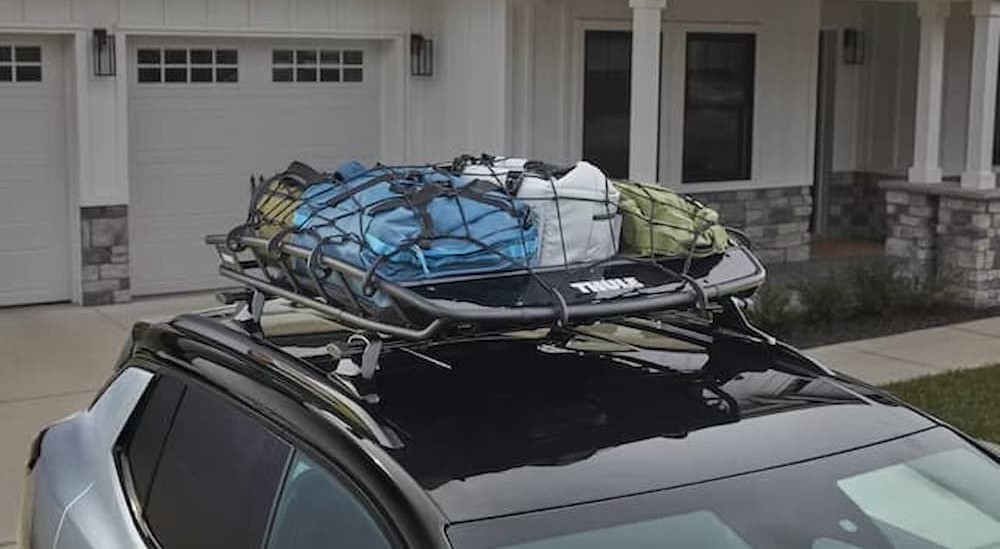
Roof racks have long been a way for people to do more with their vehicles. From adventure gear like skis and tents to luggage for vacation to oversized hardware and materials, a roof rack lets you carry the things you need while maintaining a clean, visible, and comfortable interior. Using the proper roof rack and installing it correctly will provide the most capability and the lowest chance of problems. As this guide shows, even if a vehicle is decades old, there are still ways to add a roof rack. OEM or aftermarket, flush rail or raised rail, DIY or professional, you’ll be able to make the best use of your car’s roof.