

Thankfully, we live in a world where the internet exists. A quick tutorial on YouTube can tell you everything you need to know about anything from assembling a new grill to fixing the carburetor on a generator in a matter of minutes. This is also helpful if you’re looking to complete some work on your car without bringing it to a mechanic.
It’s not recommended to skip the mechanic altogether, especially for more detailed maintenance and repairs. However, there are some tasks that you can certainly do on your own. Here are some DIY tasks on your car that are easier, cheaper, and better to do yourself.
Cabin Air Filter Change
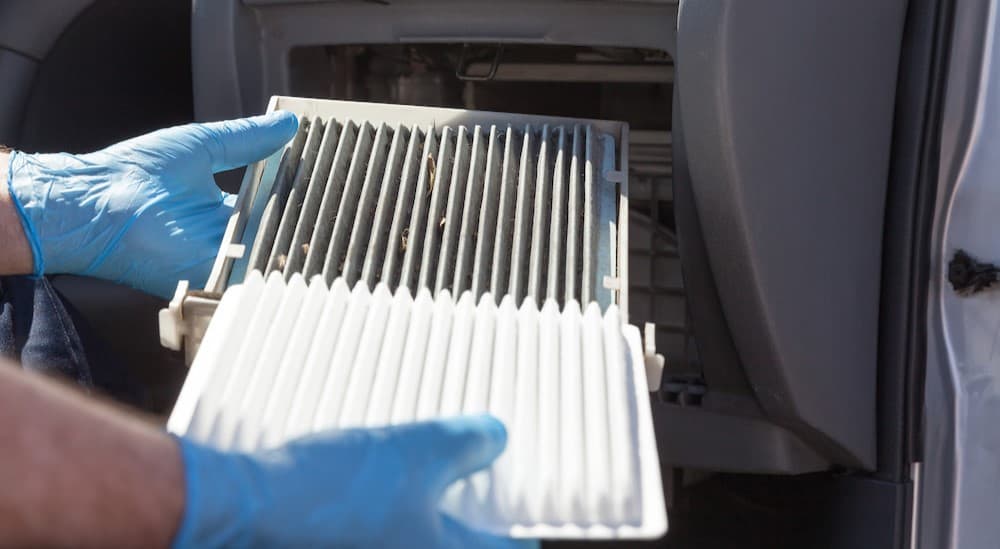
The cabin air filter is responsible for filtering out dirt and debris from the road so they don’t end up in your cabin. A dirty filter can leave your car smelling stale. The great news is that cabin air filter replacement is pretty straightforward. A cabin air filter ranges from about $15 to $30, depending on your vehicle. You’ll want to consult your owner’s manual for which filter is required. Your cabin air filter is most likely located behind your glove compartment. Once you remove this piece, all you need to do is remove the old filter and pop in the new one.
Oil and Filter Change
You probably already know how important a routine oil change is, especially if you’ve owned at least one car in your lifetime. Oil lubricates the moving parts of your engine so everything works properly. Over time, the oil filter gets dirty, and contaminants from the road gunk up your oil.
This is another simple fix. Remove the drain plug, empty the old oil into an oil pan, and properly dispose of it. You can take old oil to an auto parts store to dispose of it. Once your old oil is drained, you’ll replace it with the new oil (consult your owner’s manual to determine the proper type). This is also a good time to replace your oil filter.
Fluid Replacement
There are various other fluids in your vehicle, including windshield wiper fluid, brake fluid, transmission fluid, and power steering fluid, to name a few. Many of these fluids can be tested with test strips you can purchase at your local auto parts store to determine whether they need to be replaced. If you’re in need of a replacement, depending on the fluid you’re replacing, you’ll either need to drain and fully replace it or simply add new fluid to the old (brake fluid, for example). Consult your owner’s manual for instructions on replacing each type of fluid.
Tire Pressure Monitoring and Inspection
Your tires play a very important role in the safety and stability of your ride. Over time, they lose pressure and become worn, which will warrant a new set of tires at some point. Your main priority should be ensuring that your tires are at the correct pressure and show no serious wear and tear.
Fortunately, this is easy to do yourself. Using a tire gauge, you can check the pressure in all four tires. Many newer vehicles also have a tire pressure monitoring system in place that will alert you with a light on your dashboard if one or more of your tires is low on pressure. Add air to each tire until the pressure is back to normal PSI range for your car (again, consult your owner’s manual for this). You will also want to check each tire for any cracks, extremely worn tread, or bulges. Any of these signs means that it’s time for a new set of tires.
Car Detailing
Keeping your car looking its best not only helps you make a statement on the streets, but it also protects your vehicle from rust and corrosion and helps you remain safe on the open road. Detailing a car includes a variety of tasks, but basic detailing typically covers an exterior wash and wax, interior cleaning and vacuuming, leather upholstery conditioning, window cleaning, and wheel and tire cleaning.
Wiper Blade Replacement
It’s recommended to replace your windshield wiper blades about once a year. Beyond that, you risk your wipers not fully cleaning away rain, dirt, and debris from the road, which can lead to poor visibility. Wiper blades are readily available in a variety of types and styles and can be obtained online or from your local auto parts store. Simply lift your wipers up, locate the release button, slide your current wipers off, replace them with the new wipers, and you’re ready to roll.
Battery Checks and Replacement
No one wants to walk out to their car after work only to find that the battery is dead. The good news is that with regular battery checks, this shouldn’t be an issue. Checking your battery requires a multimeter to test voltage. Normal car battery voltage with the engine turned off should be about 12.6 volts. If it is below this, then it’s time to replace your battery.
Of course, if you notice your vehicle is having a hard time starting or your lights are dimming, it’s also a sign your battery needs to be replaced. Head to your local auto parts store and locate your correct battery by asking a friendly professional or checking your owner’s manual. They can also help you replace it.
Small Ding and Dent Repairs
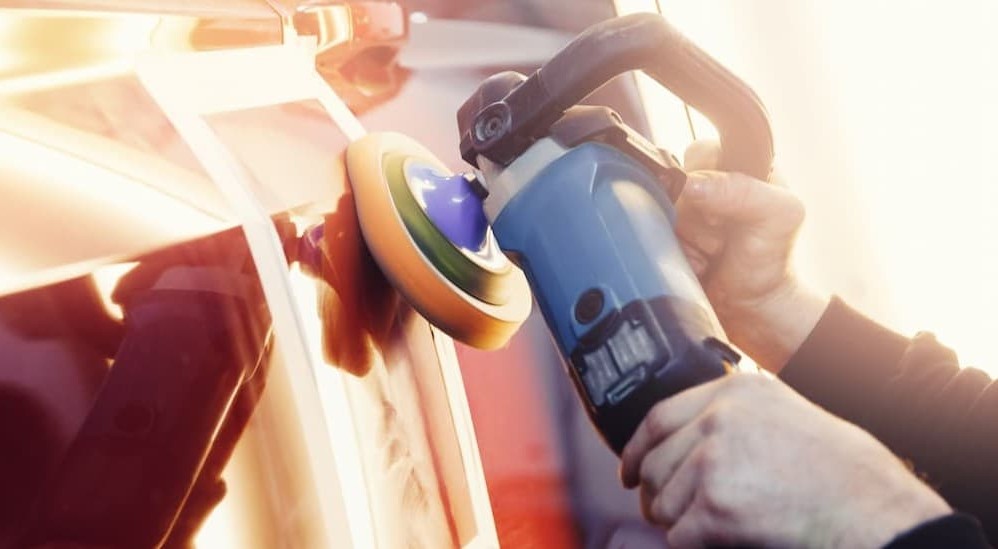
It’s only natural that your vehicle will come head-to-head with a rogue shopping cart at some point, or a rock will fly up from another car on the highway and ding your hood. From chipped paint to small dings, you don’t need a complete overhaul to fix these. You’re able to find paint chip and ding repair kits at the store or online to fix issues that haven’t gone too deep into your paint.
Bulb Replacement
Do you have a burnt-out taillight? No problem. Head to your local auto parts store or Amazon and purchase new bulbs. It’s easy to find the bulbs you need with a quick skim through your owner’s manual or a Google search. Then, once they arrive, simply replace the bulbs by removing the screws from the lighting elements and inserting the new bulbs.
Wire Up a Trailer
If you have a truck or vehicle that’s rated for towing, wiring up a trailer can be a simple project. You’ll be able to find trailer wiring harnesses ready for installation in a few simple steps online or at your local auto parts store. Many harnesses simply plug into your existing wiring and tail lights. Then you run the other end out the back of your vehicle to plug into a trailer. Follow the instructions, and you’ll be towing your trailer in no time.
As you can see, there are many fixes you can do yourself to keep your vehicle in tip-top condition. From replacing a lighting element to adding trailer wiring, you’re more capable than you may realize. It’s always recommended to head to a mechanic for more serious repairs or maintenance, but the fixes mentioned here are great to learn how to do yourself. This is especially true if you want to save time and money on vehicle maintenance.