

Summer is synonymous with road trips, beach vacations, and family outings, but warm weather also puts a lot of stress on your car, truck, or SUV. Today’s vehicles are designed for the long haul, but even the most well-engineered model is still prone to accelerated wear, spotty performance, and reduced efficiency when things start to get a bit steamy. From overheated engines and worn-out tires to overworked batteries and interior damage, the summer heat can take a surprising toll on your daily driver.
It’s not just those living in historically hot climates who are affected. Even in northern climates, the seasonal shift between high summer temps and cold winter weather can really put a vehicle through the wringer. Luckily, a few simple tips and a little preventive maintenance are all it takes to avoid common heat-related issues. Let’s take a closer look at a few common ways that high temperatures can impact your vehicle and explore what you can do to stay ahead of the heat.
Overheating Engine
Nothing can turn a well-functioning car into a useless hunk of junk quite as quickly as an overheated engine. While a full meltdown isn’t too common, high temperatures can easily push your engine into the danger zone. When the thermometer begins to rise, your vehicle’s cooling system kicks into overdrive. Modern engine coolant does a great job of preventing boiling over, but it can degrade over time or drop to dangerous levels due to a subtle leak, a loose connection, or a cracked hose.
Rubber components, such as hoses, are especially sensitive to heat, which is why it’s always worth your time to poke around the engine bay and give everything a once-over before the summer heat sets in. If all else fails, there’s always the smell test. Leaking coolant produces a distinctively sweet scent when it makes contact with the motor or other hot components.
When it comes to changing your coolant, most vehicles call for a full flush and replacement every 30,000 to 50,000 miles. Those working with Hybrid Organic Acid Technology (HOAT) and extended-life coolants might be able to extend that to 100,000 miles or beyond, depending on the make and model.
Then there’s engine oil, which tends to become thinner at high temperatures. The less viscous the oil is, the less protection it can provide to some of your engine’s most vital components. Historically, this led drivers to opt for a thicker, high-viscosity oil in the summer, and a thinner, low-viscosity blend during the winter.
However, like many aspects of automotive maintenance, this advice has become a bit outdated over the years. Modern multi-viscosity oils are created to perform reliably across a wide range of temperatures, though a high-viscosity summer oil might still be called for in some extreme scenarios. That’s no excuse for skipping out on your regularly scheduled oil change, which is still one of the easiest ways to protect your ride over the long haul.
Coolant and motor oil are the two most important fluids to keep in mind during the summer, but every liquid plays a role in keeping your vehicle at its best. This is your official reminder to check your owner’s manual and make sure you’re up to date on all your various fluid replacements, including transmission, power steering, and brake fluid.
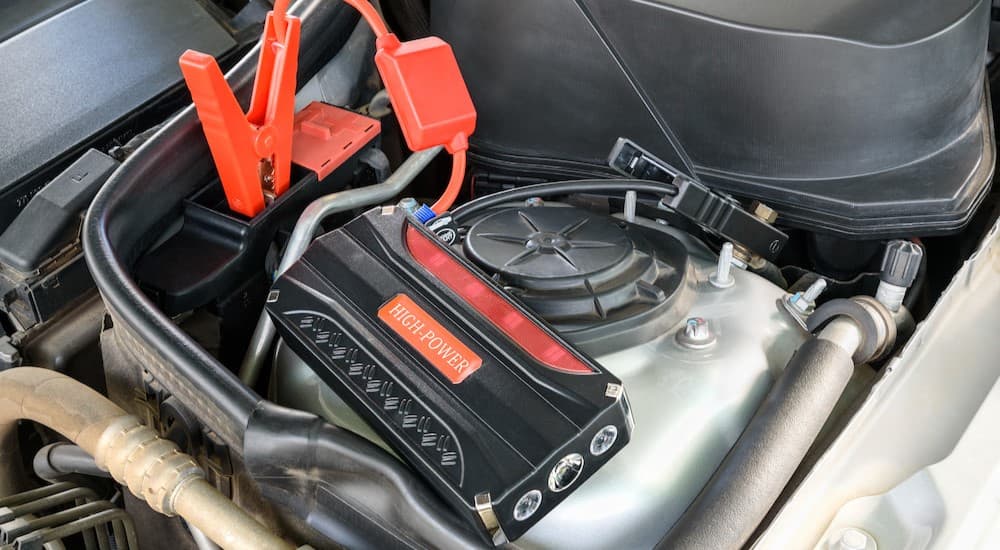
Dead Battery
Your car’s battery performs best when the temperature hovers between 70°F and 80°F, but things tend to get a little heated under the hood. When the motor is running, especially during the summer months, the temperature in the engine bay can easily eclipse 140°F. We might think of the battery as a big, solid chunk of metal and plastic, but there’s actually a lot of fluid lurking inside the modern car battery.
When exposed to extreme heat, the chemical reaction in a typical lead-acid automotive battery speeds up, generating a little too much heat. This causes the fluid to evaporate faster than usual, exposing the battery’s lead plates. These lead plates aren’t designed to operate outside the correct fluid, which can cause them to warp, corrode, and ultimately limit the battery’s ability to hold a charge. The evaporating fluid can also cause corrosion at the battery terminals, resulting in difficult starts and inconsistent electrical performance. Most mechanics recommend replacing the battery every three to five years. If you live in an area where 100-degree days are the norm, you might want to consider adopting an accelerated schedule.
EV Batteries
Today’s all-electric vehicles are particularly susceptible to the ravages of warm weather. Most EV drivers know to expect a loss of range when the thermometer dips below freezing, but few realize that high temperatures can also take a toll on an all-electric model. According to AAA, electric vehicle driving range can drop by nearly 17% at 95°F and by as much as 33% when the AC is activated. That’s not quite as drastic as the estimated 60% reduction in extreme cold, but it can still lead to a lot of headaches on long summer road trips.
There are a few ways EV drivers can ensure consistent range, starting with cabin preconditioning. By cranking up the AC while your EV is still connected to the wall charger, you can dramatically reduce the load on the battery itself. You can also try being a little more conservative with the AC, and always park in a shaded spot when possible. A light touch on the accelerator also goes a long way, especially at higher speeds. Aerodynamic drag is the bane of today’s all-electric models, but easing up on the right-hand pedal can easily improve range by 10 to 30%.
Changes in Tire Pressure
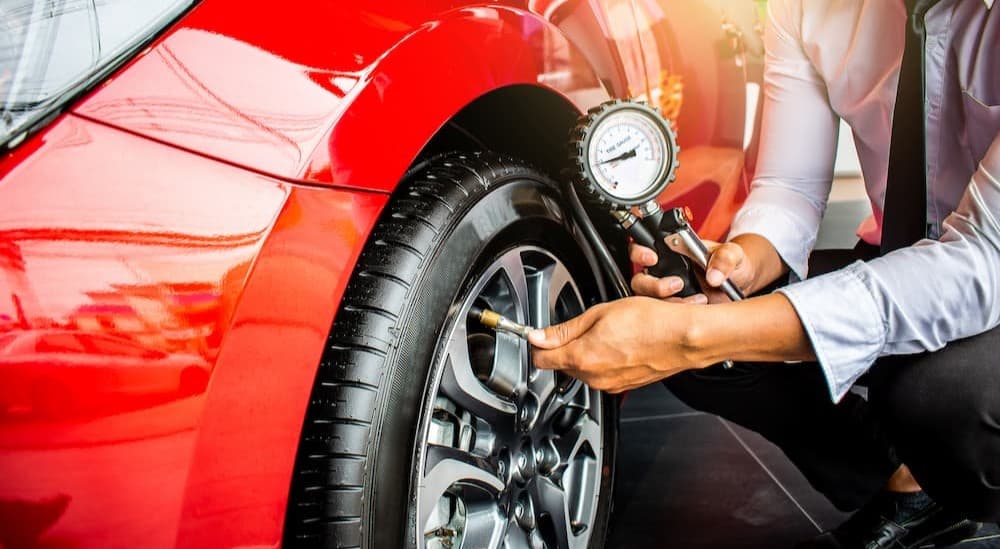
They might not be the first parts that pop into mind when considering heat-related damage, but your vehicle’s tires are actually quite vulnerable to changing temperatures. Blame it on physics, specifically thermal expansion and contraction, which causes matter to subtly grow when heated and shrink when exposed to lower temperatures. According to Goodyear experts, a typical tire will lose one to two psi for every 10°F drop in temperature. On the flip side, a 10°F rise in temperature will add about one to two psi.
Drivers tend to be wary of low tire pressure, and for good reason, but high pressure can also lead to some serious problems, especially during the summer months. Tires are designed to operate within a narrow pressure range. Underinflate your tires, and you risk wearing down the edges, or “shoulders,” of your tires as they sag and flatten under the weight of the vehicle. Overinflate them, and the tires begin to balloon outward, shrinking the contact patch, creating a bumpy ride, and accelerating wear along the center of the tread. Both scenarios are dangerous, and both can result in a sudden blowout. Hot pavement can exacerbate the issue, as can extended journeys. Friction between the rubber and the road can increase pressure by two to five psi over the course of a drive, leaving drivers with little wiggle room.
Luckily, there’s an easy way to keep track of your vehicle’s psi. A simple tire pressure gauge is an important part of any toolkit. Many drivers can also leverage a high-tech alternative. Tire Pressure Monitoring Systems (TPMS) have been mandatory on all passenger vehicles and light trucks produced since 2007. These systems vary in complexity, with basic TPMS consisting of little more than a dashboard icon, while high-end alternatives allow owners to track each tire’s pressure in real time. Keeping a close eye on your TPMS can help you avoid sudden blowouts and other heat-related tire mishaps. While running a slightly lower psi might seem like an obvious solution, experts advise maintaining your tire’s recommended pressure, which is listed on the door jamb or in the owner’s manual, year-round.
Keep Your Cool
While we’ve covered a few of the most important areas to keep an eye on, there are plenty of other ways that summer heat can leave its mark on your vehicle. It might not have as much of a safety impact as mechanical components like the engine, or replaceable, if expensive, parts like the tires and battery, your vehicle’s paint job and interior are bound to end up a little overbaked if you don’t follow a few simple precautions. From the dashboard and seating to the steering wheel, paint, and plastic trim, strong UV rays can cause fading, cracking, and discoloration that can easily affect both comfort and your vehicle’s resale value. Using conditioning products on the interior and waxing the exterior are two easy ways to prevent some common worst-case scenarios, but keeping your car out of direct sunlight is the best way to address the issue.
Finally, there’s the climate control system. A well-functioning AC is worth its weight in gold during the sweltering season, but trying to keep your cool can put a lot of strain on the system. Take a little time to clean the cabin air filter and consider recharging the refrigerant if your climate control system’s performance has been a bit spotty as of late.
They say an ounce of prevention is worth a pound of cure. That’s particularly true when it comes to automotive maintenance. While many motorists wait until the mercury reaches the boiling point, a little pre-summer tune-up can go a long way toward ensuring that your vehicle is as safe, effective, and reliable as possible. Keep an eye on heat-sensitive components and stay mindful of your fluid levels as you cruise between the beach and your next BBQ.