
Fuel prices have always fluctuated due to numerous economic, social, and political factors. No matter how you look at it, filling the tank has become a significantly pricier proposition over the last 30 years. The average U.S. gas price hovered around $2 a gallon for much of the early 2000s, but peaked at more than $4 during the 2008 financial crisis. Prices dropped during the COVID-19 pandemic due to low demand, but roared back with a vengeance in 2022, reaching $5 a gallon. Gas prices have since leveled off, though recent geopolitical tension has once again left drivers paying a premium at the pump.
While inflation accounts for much of the increase, this tumultuous timeline raises an important question. In an era of ever-rising gas prices, what’s a budget-conscious driver to do? A new generation of hybrid and all-electric vehicles represents one option, but these are often prohibitively expensive or impractical based on local charging infrastructure. If you’re not ready to invest in a new EV or an electric-assisted model, the easiest solution is to make the most of what you’ve got. From maintenance tasks and modifications to good driving habits and good timing, there are plenty of simple ways to reduce your weekly gas bill while also improving your vehicle’s fuel economy by as much as 30%. Read on as we walk through some actionable advice that’ll keep a little extra cash in your pocket and debunk a few popular fuel-saving myths.
Easy Maintenance Tips
Routine maintenance is essential to your car’s longevity, whether you’re interested in improving fuel economy or not. It also keeps your vehicle operating at peak efficiency, making maintenance a win-win proposition.
Tire Pressure
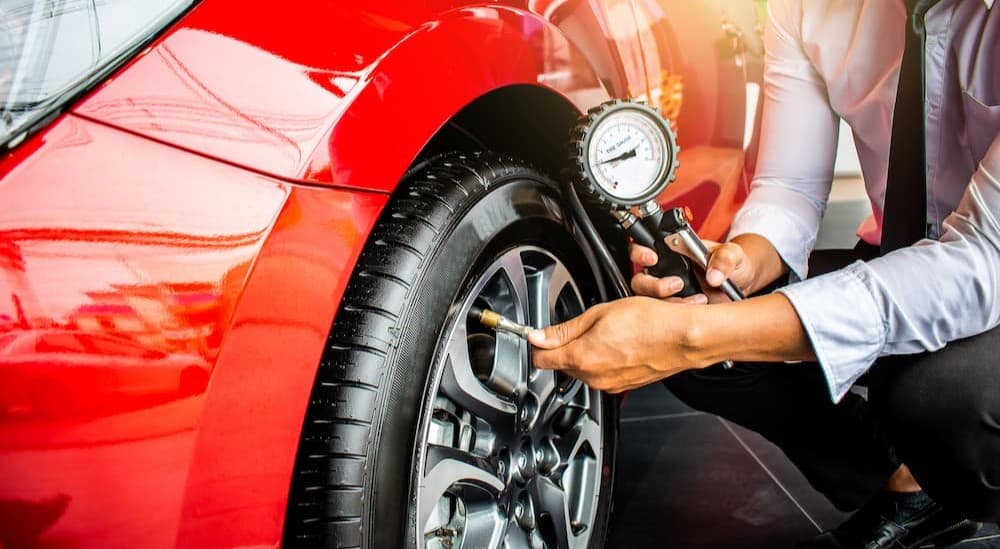
Your tires are, quite literally, where the rubber meets the road when it comes to improving fuel economy. A set of underinflated tires can have a noticeable impact on your average MPG, with every 1.0 PSI drop in pressure translating to a 0.2 to 0.4% decrease in efficiency.
That means a tire that is 10 ticks below its recommended pressure could be costing you upwards of 4% in fuel economy and wearing it out prematurely. Luckily, this is an easy issue to address. Make sure you’re filling your tires to the recommended psi, not the maximum psi stamped on the tire itself. You can find your vehicle’s recommended pressure in the owner’s manual or printed on a placard inside the driver’s door jamb. Also, perform frequent checks when the temperature starts to dip, as cold weather can cause a loss of pressure.
Oil
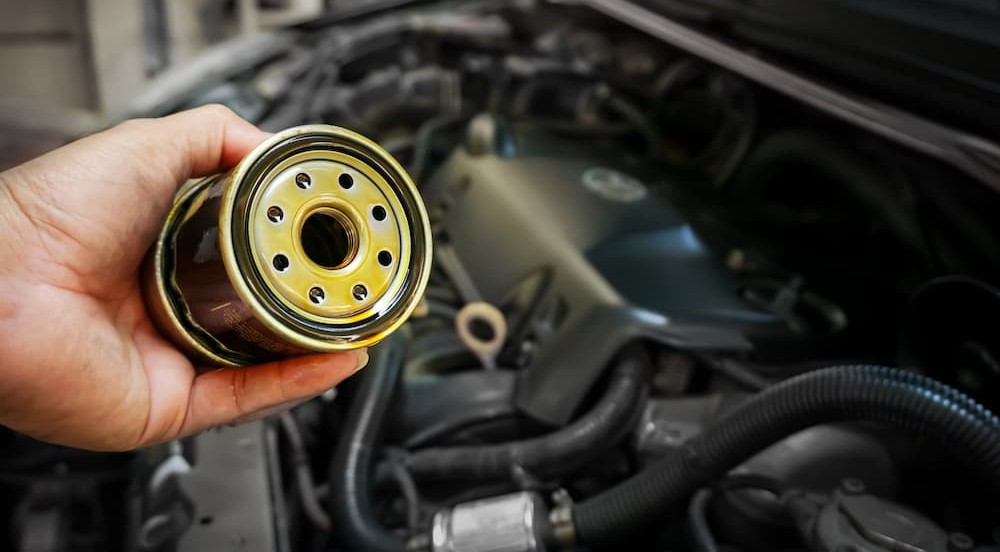
There are plenty of fluids to keep an eye on when you pop the hood on your car, truck, or SUV, but few impact fuel economy quite as much as your motor oil. This vital liquid keeps everything running nice and smooth, lubricating important components and reducing the friction that’s inherent to the internal combustion process.
There’s just one issue. As oil ages and degrades, it loses much of its lubricating power, increasing resistance and reducing overall efficiency. Sticking to a strict oil change routine helps drivers avoid this unfortunate outcome, but different models require slightly different schedules. The old “oil change every 3,000 miles” adage is largely irrelevant in today’s auto market, with many vehicles traveling up to 7,500 miles between oil changes. Your owner’s manual will tell you the recommended interval for your particular make and model.
Filters and Spark Plugs
A gas-burning engine might seem complex, but in reality, it only needs three things to get you moving down the road: fuel, air, and spark. The first is probably the easiest to get a handle on, thanks to the handy gas gauge that’s found on every vehicle, but ensuring consistent “air” and “spark” takes a little extra legwork.
Your engine air filter prevents pesky particulates from entering the engine. While it works well, the filter can become clogged over time, starving your engine of the fresh air it needs to run at its best. Most manufacturers recommend changing a vehicle’s engine air filter every 12,000 to 15,000 miles, or as often as 10,000 to 12,000 miles if you regularly drive in heavy traffic or dusty, off-road conditions.
It’s a similar story with the spark plugs, which inevitably lose effectiveness over time. As spark plugs become befouled with carbon deposits, they can start to produce an inconsistent spark that results in inefficient combustion, and even underburned fuel making its way out the tailpipe. Most modern platinum or iridium spark plugs are rated to last up to 100,000 miles, but cars sporting older, copper plugs might need a fresh set every 30,000 miles or so.
Modifications and Driving Habits
If you can gain an efficiency benefit just by doing what you should be doing in the first place, imagine what you can gain by altering your vehicle and your driving habits, with fuel economy in mind. Here are some ways you can do that.
Low-Resistance Tires
Properly inflating your tires is a good first step, but if you really want to squeeze the most mileage out of every gallon, it might be time to invest in a set of low-rolling-resistance (LRR) tires. These tires reduce friction between the vehicle and the road, and have been shown to improve fuel economy by as much as 10%.
LRR tires have become the go-to choice for today’s hybrid and electric vehicles, which are always looking to reduce energy loss and improve driving range by any means necessary. They can also be fitted to any gas-powered vehicle and have been shown to save drivers hundreds of dollars over their service life. There are two major drawbacks, however. LRR tires tend to wear out more quickly than their tackier counterparts and are more prone to losing traction in wet weather.
Reduce Weight
Shaving a few pounds off your vehicle’s total weight can be one of the easiest ways to save some cash at the gas pump. An extra 100 lbs can translate to a 1% reduction in fuel economy, so it’s important to be mindful about what cargo you’re carrying around town on a daily basis. Some drivers might throw a bag of sand or other weighty cargo into the trunk or cargo bed of their rear-wheel drive vehicle to improve traction during the winter, but this added weight can come back to bite on your next visit to the gas station.
Aerodynamics
If you don’t believe aerodynamics have a noticeable impact on efficiency, just look at today’s hybrid and all-electric vehicles. The original Prius might have looked a bit odd with its distinctive egg shape, but the design is perfect for allowing the hybrid to cut through the air at higher speeds. Many EVs employ a similar strategy, but you don’t have to be piloting an all-electric model to notice a difference.
How can a driver improve their vehicle’s aerodynamic profile? It all comes down to removing any add-ons or accessories whenever possible. A rooftop cargo box or hatch-mounted bike rack might prove useful when venturing out on a family road trip or weekend adventure, but these components can also create enough wind resistance to reduce efficiency by as much as 28%. You’ll also want to keep the windows closed when moving at highway speed and, contrary to popular belief, keep your pickup’s tailgate in its full upright and locked position.
Eco Mode
This one is a bit of a no-brainer, but if your vehicle is equipped with an Eco Mode setting, improved fuel economy can be as easy as pushing a button. Many vehicles are equipped with this sort of efficiency-minded setting, which adjusts the engine’s throttle response and shift points to maximize fuel economy. This mode is especially helpful around the city, where constant stop-and-go driving can dramatically reduce average efficiency.
Good Driving Habits
There’s one real X factor in a vehicle’s fuel economy, and it’s you. A driver who practices good habits behind the wheel can improve efficiency by as much as 30%, while a lead-footed motorist is sure to find themselves pulling up to the pump multiple times in a week. We’re all familiar with some of the basics, but in case you need a refresher, these habits include smooth acceleration and braking, maintaining a steady speed, not exceeding 75 mph, using the right gear in a manual transmission vehicle, and limiting short trips and idling.
When and Where You Buy
Like any purchase, a little price-shopping can have a noticeable impact on your savings. Drivers tend to take advantage of whatever station is handy when the needle hits Empty, or gravitate towards a favorite local spot, but a more discerning approach can pay dividends. There are plenty of apps that allow drivers to compare prices at local gas stations. While driving an extra 15 miles to save 10 cents a gallon might not make sense from an economic perspective, you might be surprised to learn just how much prices can fluctuate within even a small area. Gas stations located outside of city centers tend to offer lower prices, as do wholesale clubs.
Finally, there’s the matter of when you buy your gas. Until writing this article, I had no idea that prices often fluctuate based on a weekly cycle, but it’ll probably drive my own refueling habits for the foreseeable future. Gas stations often adjust their prices based on daily demand, with the lowest average costs typically at the beginning and end of the week. Sunday often sees the lowest prices, but Monday and early Tuesday aren’t far behind. Fuel costs often increase throughout the week as stations prepare for higher demand over the weekend, so if you want to get the most for your money, filling up earlier in the week is the way to go.
Things that Don’t Help
Myths, misconceptions, old wives’ tales – call them what you will, but there’s lots of so-called “wisdom” around fuel economy that doesn’t hold up to close scrutiny. These tips, which were mostly passed down from one generation of drivers to another, are easy to debunk in the age of the internet, but some of the more persistent rumors continue to pop up despite plenty of evidence to the contrary.
First are the fuel-saving additives and various gadgets marketed as miracle solutions for low MPG models. These pour-in performance additives, fuel ionizers, magnetic fuel-line devices, and other gadgets might give you a minuscule bump in fuel economy, but they’re largely the sort of snake oil solution that’s long been peddled to the desperate and gullible. While some fuel-system cleaning products can restore a vehicle’s efficiency by clearing out carbon buildup or dirty fuel injectors, independent testing has exposed the fraudulence of most efficiency-improving products. You don’t even need to crunch the numbers to notice that something is a little fishy. Today’s automakers are held to strict emissions standards and spend billions on research and development to maximize a model’s range. The idea that a $7 bottle of fuel additive or a small magnet could achieve what a dedicated team of automotive engineers couldn’t is a bit laughable, especially when it comes to products that claim to improve your MPG by as much as 20%.
Next, there is the option of high-octane fuel. To make a long story short, if your vehicle was designed to operate on standard 87 octane, reaching for the 91 or 93 pump isn’t going to make a noticeable difference in terms of fuel economy, horsepower, or long-term performance. That said, there is an important caveat to mention here. While traditional engines won’t see a significant benefit from high-octane fuel, some turbocharged models might, especially when driving in hot conditions or hauling a heavy load.
Finally, there’s the old myth around warming up your engine for five to ten minutes before hitting the road, especially during the colder months. This is actually a great example of advice that was once true, but has become irrelevant due to improvements in automotive technology. Older vehicles did benefit from a prolonged warm-up period due to their carbureted engines, but it won’t make a lick of difference on modern, fuel-injected models, and can actually decrease your average MPG. After all, running your engine while sitting still gets zero MPG.
Saving Your Cash, and the Planet
While many of the tasks we’ve mentioned can be completed in the comfort of your own garage, oil changes, spark plug replacement, new tires, and other such projects might call for the professional touch. Teaming up with a trusty local mechanic or dealership service center can help drivers get the most out of their automotive investment in terms of efficiency, and can also make a big difference when it comes time to move on from your current model. A well-maintained vehicle with a solid service history is sure to instill confidence in a potential buyer or earn you a better trade-in offer from your dealership of choice.
No one likes dumping their weekly paycheck directly into the gas tank, but with the right gear, a little maintenance, and a bit of restraint, saving money can be pretty simple. These tips and techniques won’t just help your own financial situation. They can also go a long way towards creating a more eco-friendly driving experience and a cleaner planet for all.